
Maybe Wellness is Easier Than We Think... I first learned about this "miracle" exercise from a woman still fit in...
More...Emotional Freedom & Stress Reduction
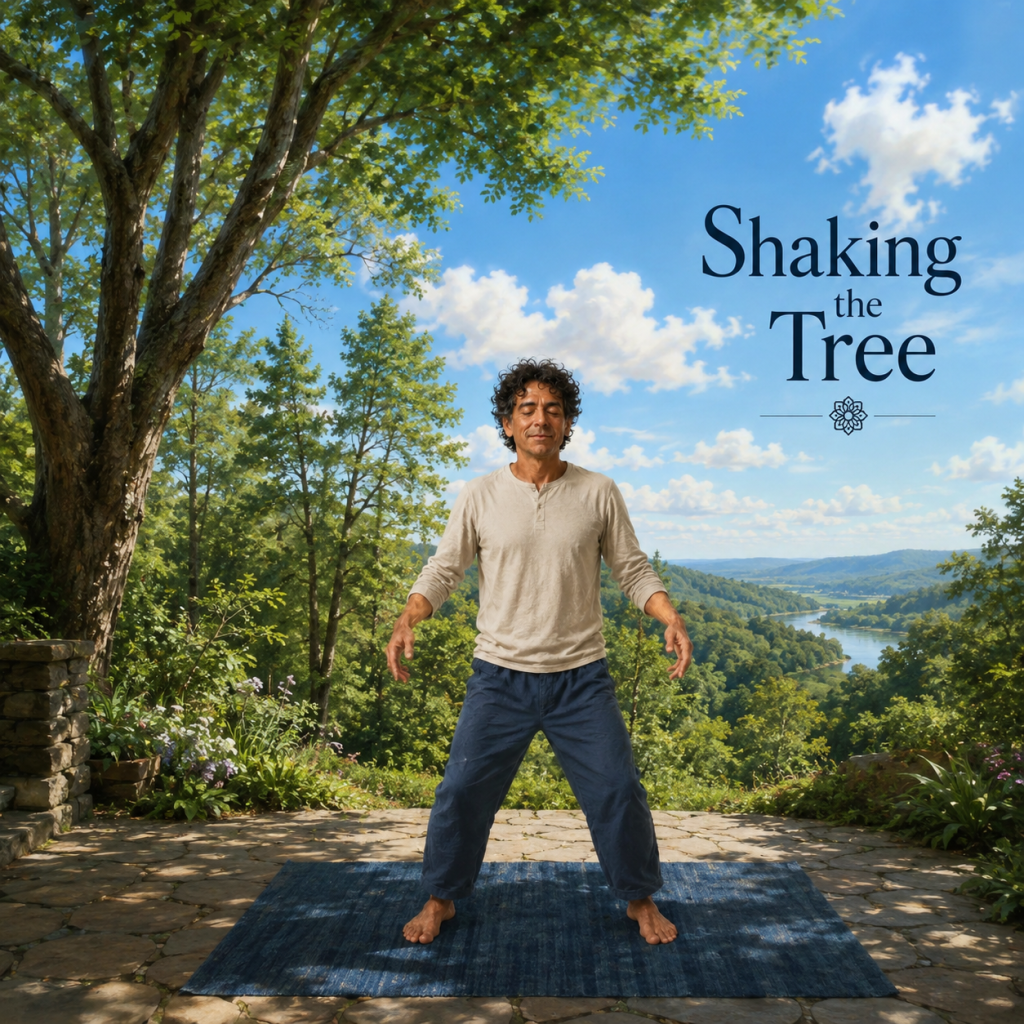
Shaking the Tree 🌳 with a Qi Shower
Shaking the Tree, or Qi Shower, is a simple Qigong practice that uses gentle, rhythmic bouncing or shaking of the body.
Here’s What It Does:
- 🌪 Releases deep tension trapped in muscles and fascia
- 💧 Flushes the lymphatic system, your body’s waste-removal network
- 🧠 Clears brain fog by re-oxygenating tissues and moving blood
- ⚡ Boosts Qi (vital energy) and circulation
- 😌 Resets the nervous system, calming fight-or-flight patterns
Shaking the Tree (and Qi Shower) with Joe
Shaking the Tree + Lotus Flower
This excerpt is from our Beginner’s “8 Silk Brocades” course that includes a core-energy meditation and bonus “Lotus Flower” form.
⏱️ How To Do It:
Bounce gently on your heels while shaking your arms and shoulders.
- Duration: 1–5 minutes (even 60 seconds works)
- Frequency: 1–3x daily — morning, mid-day, evening
- ❌ Avoid right after eating — wait 2+ hours
🧬 Science + Tradition:
Modern studies show this simple movement:
- Lowers cortisol (stress hormone)
- Boosts lymph flow and vagal tone
- Helps rewire the nervous system toward calm and clarity
The Practice: Gently Bounce Around 100 Times
Stand comfortably with your arms relaxed at your sides. Keeping your toes in contact with the floor, gently raise and lower your heels so that a soft bouncing motion travels upward through the body.
You don’t need to shake hard. Find a rhythm that feels natural and comfortable. You can make the movement very small or a little more energetic depending on your body and ability.
I often do around 100 gentle bounces, but there’s nothing magical about that number. Think of it as enough time to loosen up, breathe and let the body move.
What Might the Bouncing Do?
This practice comes from the larger tradition of Qigong, an ancient Chinese mind-body practice combining movement, posture, breathing and focused attention.
From a modern perspective, gentle rhythmic movement gets muscles and joints moving, increases physical activity and brings your attention away from repetitive mental chatter and into the sensations of your body.
That last part may be especially important. Qigong combines movement with focused attention, breathing and relaxation. Research into Qigong suggests potential benefits for stress and psychological well-being, although scientists are still working to understand exactly which components of the practice are responsible.
Traditional Qigong offers another way of describing the experience: shaking helps us release stagnant or unwanted energy and allows Qi to circulate more freely.
You don’t have to choose between those two languages. You can simply notice what happens in your own body.
Some people also describe bouncing and other forms of movement as supporting healthy circulation and the normal movement of lymphatic fluid. Muscle movement does play a role in moving lymph through the body, but claims that this particular exercise “purges” or “detoxifies” the lymph nodes go beyond what research has established.
Boost the Practice with Visualization
One of my favorite things about Qigong is that we’re not just moving the body. We can bring the mind along for the ride.
- First, just let your mind go. Don’t try too hard to create an experience. Bounce, breathe and notice what you feel.
- Let the Earth shake you. Instead of imagining that you’re doing all the work, feel as though the Earth beneath your feet is gently bouncing you upward. It can make the movement feel surprisingly effortless and playful.
- “Qi Shower” — Imagine fresh energy flowing through you like a warm shower. As you bounce, picture tension and heaviness flowing downward into the Earth while fresh energy washes through you.
- “Shaking the Tree” — Imagine yourself as a strong tree swaying and shaking in a gentle rain. Old leaves, tension and anything you no longer need simply fall away while your roots remain grounded.
There is no prize for shaking harder. Find the pace and intensity that leaves you feeling more relaxed, awake and alive.
Listen to Your Body
Qigong is generally considered a gentle and safe form of physical activity, but every body is different.
I like doing this practice in the morning when my stomach isn’t full. If bouncing bothers your stomach, joints, balance or another part of your body, make the movement smaller or choose another gentle Qigong movement instead.
You may sometimes become aware of ordinary stiffness or muscular tension as you begin moving. That’s an invitation to slow down and pay attention — not to push through pain.
If you experience sharp, sudden or significant pain, dizziness, unusual shortness of breath or anything else that feels wrong, stop. Persistent or concerning symptoms deserve medical attention.
If you’re pregnant, have significant balance problems, have recently had surgery or have a medical condition that could make repeated bouncing inappropriate, talk with your healthcare professional about whether this particular movement is suitable for you.
Benefits I’ve Noticed from Shaking the Tree
Science can tell us what researchers have observed across groups of people. Personal experience tells us something different: how a practice actually feels in our own life.
After practicing Qigong for years, these are some of the changes I’ve personally associated with practices like Shaking the Tree:
More zest — I often feel more awake and energized afterward. It’s one of the reasons I enjoy using it as part of my morning routine.
Feeling younger and more vibrant — I notice more color and vitality in my appearance and simply feel younger when I’m moving regularly. I wouldn’t call Qigong a fountain of youth, but staying active, mobile and engaged with your body is certainly part of healthy aging.
Fewer everyday aches and stiffness — Gentle movement can feel wonderful when the body has become stiff from sitting or inactivity. Research on Qigong and pain is mixed, but some studies have reported improvements in pain and physical function in certain populations.
Better balance and body awareness — Qigong research is particularly encouraging here. Studies suggest Qigong may improve balance and physical functioning, especially in older adults.
A calmer mind — There’s something about shaking the body while staying present that makes it difficult for me to remain completely trapped in my thoughts. Research on Qigong for stress is still developing, but the results so far suggest potential benefits.
Becoming more “antifragile” — I love this idea. Resilience means being able to withstand life’s stresses. Antifragility goes a step further: the challenge becomes something we adapt to and grow from.
For me, that’s one of the deeper lessons of this practice. We aren’t trying to make the body rigid enough that nothing affects it. We’re practicing how to stay loose, grounded and responsive while life shakes us around a little.
What About the “99 Diseases”?
I don’t believe Shaking the Tree literally cures 99 diseases, and I wouldn’t want anyone to replace appropriate medical care with a Qigong practice.
But I do understand why sayings like this survive for generations.
A practice doesn’t have to cure 99 diseases to be profoundly worthwhile. If something helps you move your body, breathe, relax, improve your balance, reconnect with yourself and establish a healthy daily ritual, those effects can touch many different parts of life.
And sometimes the simplest practices are the ones we actually keep doing.
In some traditional wellness circles, variations of this practice have even been given colorful names such as “The Cure for 99 Diseases.” While not meant literally. it’s a reflection of how highly these simple whole-body practices were valued.
Try it gently. Stay curious. Pay attention to how you feel afterward. Your own experience is part of the practice.
Studies suggest that regular Qigong practice may support areas such as balance, physical function, quality of life and psychological well-being.
Free Flow from Joe
-

“Standing Like a Tree” for Balance – Prevent Falls 🌀
-
5D Ascension – Manifest Anything as Your Higher Self
-
Mindful Walking Exercise – Walk with Your Qi
-
My Return to Me – 7 Minute Breathwork Practice
-
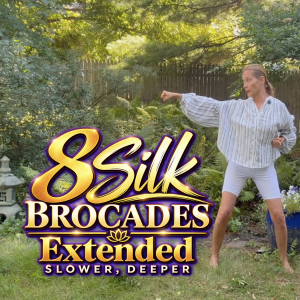
🆕 8 Silk Brocades Extended – Epic Version ⭐️
-
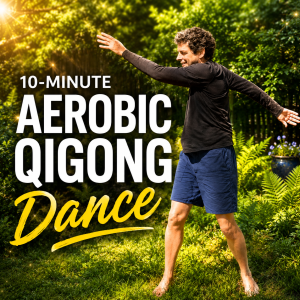
🆕 Aerobic Qigong Dance – Get Fit & Feel Amazing
-
🆕 Inner Guidance for Everyday Life ✨ Awake or Asleep
-
🥋 Luohan Patting plus Healing Sounds ✨
-
🌊 Morning Qi Flow
-
🆕✨ Sleep & Heal Meditation


Access Your Free Qigong Flow & Meditation with Joe by Joining Our Newsletter

Join Us Here!
Start Here


Joe
0