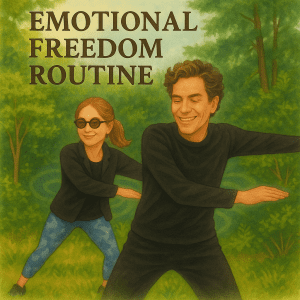

Heart-Brain Coherence & The Quick Coherence Practice
The HeartMath Institute teaches that when you’re breathing, heart rhythms and emotions synchronize. Your nervous system enters a state called heart-brain coherence. People often report clarity, emotional stability, and better intuition.
Their most widely taught practice is called quick coherence.
Here’s the actual steps to save because it’s very powerful and beautiful.
1. Heart Focused Breathing
The first step is simply shifting attention.
Instructions are to sit comfortably. Place attention at the center of the chest, the heart center. Breathe slowly and gently. Imagine the breath flowing in and out through the heart.
The typical breathing rhythm is 5 seconds inhale, 5 seconds exhale.
This usually takes 1 to 2 minutes.
Why this matters?
Attention on the heart activates the vagus nerve. Slower breathing stabilizes heart rate variability.
2. Activate a Heart Emotion
Once breathing is steady, bring in a regenerative emotion.
HeartMath often suggests appreciation, gratitude, care, compassion, love for someone or something.
You don’t have to force a big emotion. Just recall the feeling gently.
Examples?
A loved one, a pet, a peaceful place in nature, a moment of sincere gratitude.
Stay here two to five minutes.
This emotional shift is what actually creates the coherence pattern.
3. Sustain the Feeling
Now, simply keep breathing through the heart while holding the feeling.
If the mind wanders, which it will at times return to, heart breathing, reconnect with appreciation.
Even three minutes can noticeably shift physiology.
But studies from heart math show coherence could increase heart rate variability, reduce cortisol, improve focus and cognition function, improve emotional regulation. Activate the parasympathetic nervous system.
For more insights, click here.