Emotional Freedom Technique and Qigong — A Guide to EFT Tapping Points
They say life is 10 percent what happens to us, and 90 percent how we react. While the exact percentages aren’t important, the idea is powerful: if we can improve our reactions, we can dramatically improve our experience of life.
The trick is, many of our thoughts—and our reactions—can spring from subconscious patterns.
This means our beliefs and behaviors may be influenced by patterns and conditioning we aren’t always consciously aware of.
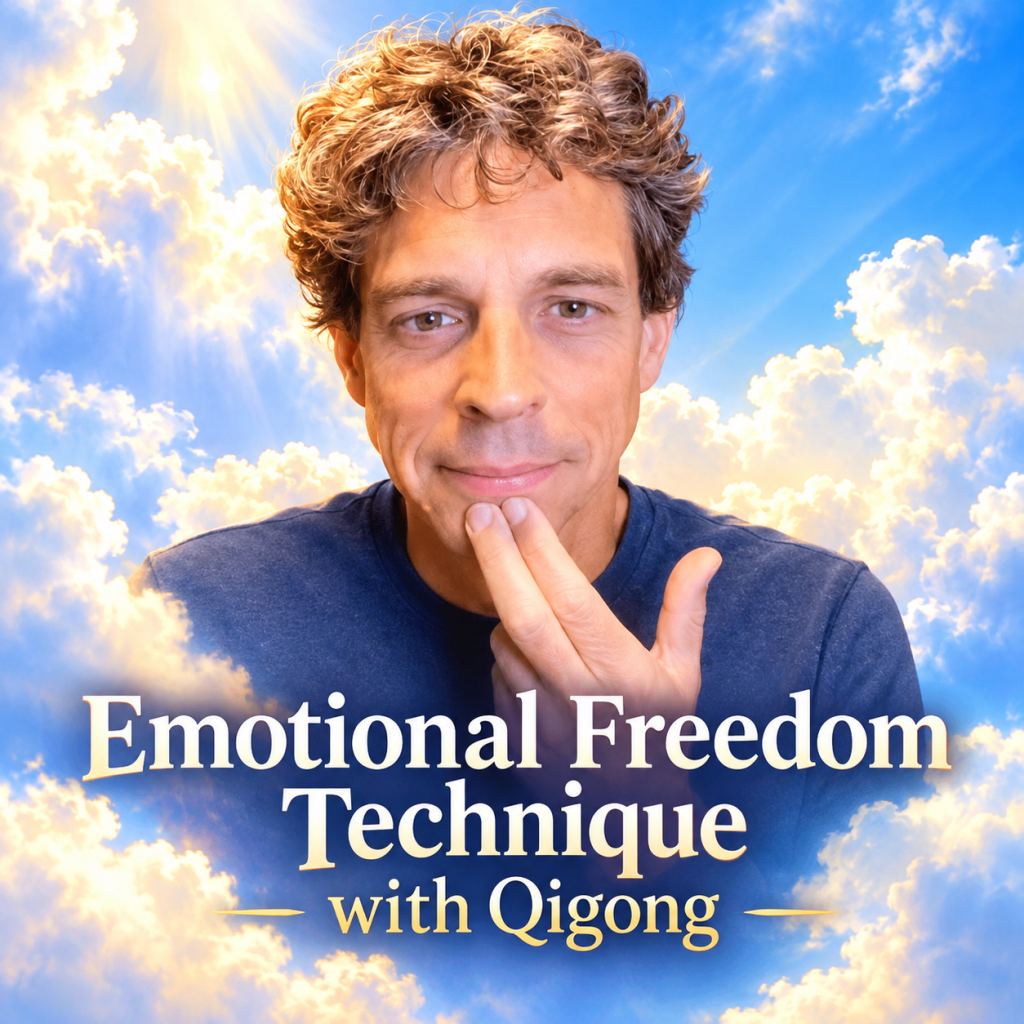
Emotional Freedom Technique (EFT), also known as Tapping, is a gentle mind-body practice that may help us work with these patterns. EFT involves gently tapping on specific points on the body while bringing attention to a particular emotion, belief, memory, or challenge, such as stress, anxiety, or discomfort.
For many people, this combination of focused attention, affirmations, and rhythmic tapping can be a useful way to process difficult emotions, calm the mind, and create healthier responses.
It Taps Into the Wisdom of Qigong
In Qigong and Traditional Chinese Medicine (TCM), the body is understood through a network of meridians, or energy pathways, traditionally associated with different organ systems and functions.
EFT draws inspiration from this meridian system, combining tapping points with focused thoughts or affirmations. The goal is to bring awareness to emotional patterns, help calm our reactions, and create space for a more balanced response.
✍️ Club Qigong’s Official EFT Guide to Tapping Points:
Karate chop point — Located on the side of the hand and associated in TCM with the Small Intestine meridian. This point is commonly used at the beginning of EFT while acknowledging emotions such as fear, anxiety, or worry.
Top of the head — Located at the crown of the head and associated with the Governing Vessel. In EFT, this point is often used while focusing on mental clarity, calm, and releasing tension.
Eyebrow point — Located at the inner edge of the eyebrow and associated with the Bladder meridian. This point may be incorporated while working with tension, anger, frustration, or emotional stress.
Side of the eye — Located near the temple area and associated with the Gallbladder meridian. In EFT practice, this point may be used while exploring emotions such as frustration, indecisiveness, or self-doubt.
Under the eye — Located on the bone directly beneath the eye and associated with the Stomach meridian. This point is often used while focusing on anxiety, worry, stress, and a sense of grounding.
Under the nose — Located between the nose and upper lip and associated with the Governing Vessel. This point may be used while working with emotions such as shame, embarrassment, guilt, or emotional tension.
Chin point — Located in the crease between the lower lip and chin and associated with the Central Vessel. This point is commonly included when working toward emotional calm, acceptance, and overall well-being.
Collarbone point — Located just below the collarbone and associated with the Kidney meridian. This point is often used while focusing on fear, stress, uncertainty, and feelings of safety or grounding.
Under the arm — Located on the side of the body and associated with the Spleen meridian. In EFT, this point may be incorporated while working with worry, low mood, stress, or emotional overwhelm.
Inside the wrist — Located on the inside of the wrist and associated with the Pericardium meridian. This point may be used while focusing on anxiety, emotional tension, panic, or inner calm.
Thumb point — Located on the side of the thumb and associated with the Lung meridian. In traditional Chinese medicine, the Lung system is associated with emotions such as sadness and grief, making this a meaningful point to explore during EFT.
Index finger point — Located on the index finger and associated with the Large Intestine meridian. This point may be incorporated while exploring emotions such as guilt, difficulty letting go, or emotional tension.
Gently tapping these points while using affirmations or focusing on a specific thought, emotion, or situation may help us become more aware of our habitual reactions, release emotional tension, and encourage a greater sense of balance and emotional freedom.
You can learn how to create your own EFT routines for your specific needs with our Emotional Freedom Technique Course. ✨